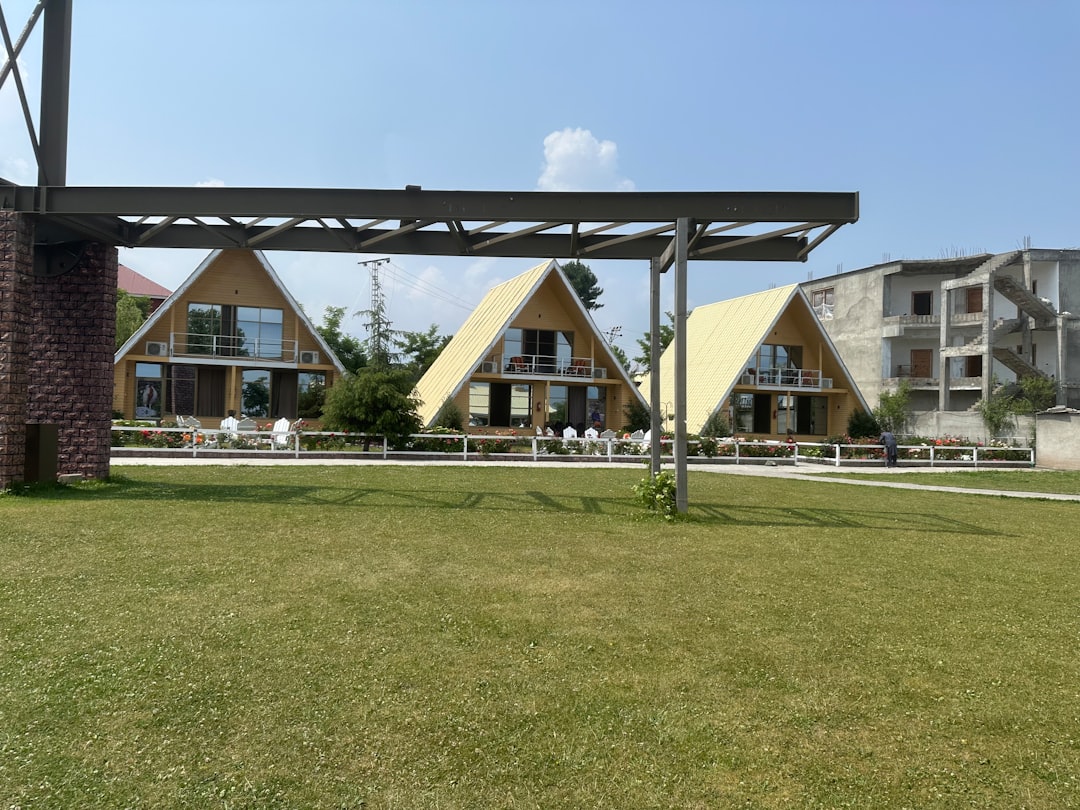








Funding options for modular and portable buildings in the UK

Modular and portable buildings offer fast, flexible space for schools, healthcare, construction sites and events — but choosing whether to hire, lease or purchase can be bewildering. I present clear funding options, practical trade-offs and procurement considerations for the UK market so you can decide which route best fits your timescale, cash position and compliance requirements.
Funding options overview for modular and portable buildings
Short-term hire: flexibility and speed
Hiring (short-term hire) is ideal when you need space fast or temporarily. You avoid large upfront payments and maintenance responsibility usually rests with the supplier. Hiring suits emergency classrooms, site offices for a few months, or event structures. Expect higher unit cost per month, but gain the flexibility to return or swap units quickly. For cash-conscious teams, hire preserves working capital.
Leasing: conserving capital, sharing risk
Leasing sits between hire and purchase. There are two mainstream approaches: operating leases (off-balance-sheet historically, but review accounting treatment) and finance leases (more like deferred purchase). Leasing spreads payments, often includes maintenance packages, and can be structured with end-of-lease options: return, renew or buy. Leasing helps you treat the solution as an operational resource while managing depreciation and lifecycle replacement more predictably.
Purchase: ownership and long-term value
Purchasing requires CAPEX but gives you full control, potential resale value and freedom to modify the asset. If the building will be occupied for many years, ownership often becomes most economical. You must budget for maintenance, repairs and eventual disposal. Buying can also open capital allowances or asset finance structures that reduce immediate cash strain.
Financial and accounting implications to weigh
CAPEX vs OPEX: impact on budgets
One of the clearest divides is CAPEX (capital expenditure) versus OPEX (operating expenditure). Buying is CAPEX; renting or many leases are OPEX. If your finance rules prefer OPEX to protect capital budgets, leasing or hire can be attractive. Conversely, if you have spare capital or want to capitalize the asset, purchase may be favoured.
Tax, VAT and accounting treatment (brief practical notes)
VAT treatment on modular buildings can vary with supply type and installation; check with HMRC or your accountant. Since adoption of IFRS 16 and UK lease accounting changes, many leases now affect the balance sheet — so requested off-balance-sheet benefits may be reduced. I recommend consulting your finance team early to model net present cost, tax effects and balance sheet impact for each option.
Public sector procurement and funding routes in the UK
Procurement paths: frameworks, tenders and compliance
If you represent a public body, procurement rules govern your ability to hire, lease or buy. The Public Contracts Regulations 2015 and local authority standing orders will usually favour competitions, use of established frameworks (e.g., CCS frameworks) or compliant mini-competitions. Leasing or hire via a compliant framework can accelerate delivery and reduce procurement risk. Direct awards are possible but must meet rules and value thresholds.
Funding sources: capital grants, borrowing and PFI-style options
Public sector acquisition can be financed from capital budgets, PWLB borrowing, prudential borrowing, or external grants (e.g., DfE funding for schools). Some bodies use off-balance-sheet leases or PFI-style concession models for long-term projects. I always advise mapping funding availability and treasury constraints early — funding route often dictates procurement route.
Practical decision framework and real-world examples
Simple decision checklist
I use a small checklist for rapid appraisal: duration of need, available capital, maintenance appetite, procurement constraints, and exit flexibility. If need <12 months → hire. If 1–5 years and budget constrained → lease. If permanent and you control the site → purchase.
Concrete scenarios
-
A primary school needing two extra classrooms for 3 years: leasing with maintenance often works best. It keeps capital free and allows upgrades at end of term.
-
A construction firm needing site welfare units for a 6-month project: hire gives instant delivery and minimal admin.
-
A community centre replacing an old building permanently: purchase with capital funding or a long-term loan maximises asset value and control.
-
For a hospital requiring modular wards to expand services permanently, a blended approach (initial hire for immediate need, followed by purchase or long lease once clinical demand is proven) can reduce risk.
-
For local authorities, using a public procurement framework to lease or hire reduces time to delivery and ensures compliance.
-
For each case I model total cost of ownership, lifecycle maintenance and disposal value before advising a route.
-
Bullet list: Key practical pointers before you decide
- Assess expected service life and refurbishment cycles.
- Compare total cost over an appropriate horizon (NPV).
- Confirm VAT and tax implications with finance advisors.
- Check procurement thresholds and suitable frameworks.
- Consider maintenance, installation and site works in costings.
Recommended funding strategy for UK modular buildings
I summarise: choose hire for short-term, urgent needs; lease to conserve capital while securing multi-year occupancy; purchase when permanence and asset control matter. Public bodies should prioritise compliant frameworks and match funding source to procurement rules — capital budgets for purchases, revenue for leases/hire where allowed. Model whole-life costs, involve procurement and finance early, and build flexibility into contracts (break clauses, upgrade options). If you want, I can help you draft a simple cost-model template or a procurement checklist tailored to your project.
For practical comparisons of product specifications, lead times and typical procurement routes in the UK market, see modularandportablebuildings.co.uk which provides detailed examples useful when modelling whole-life costs and delivery options.