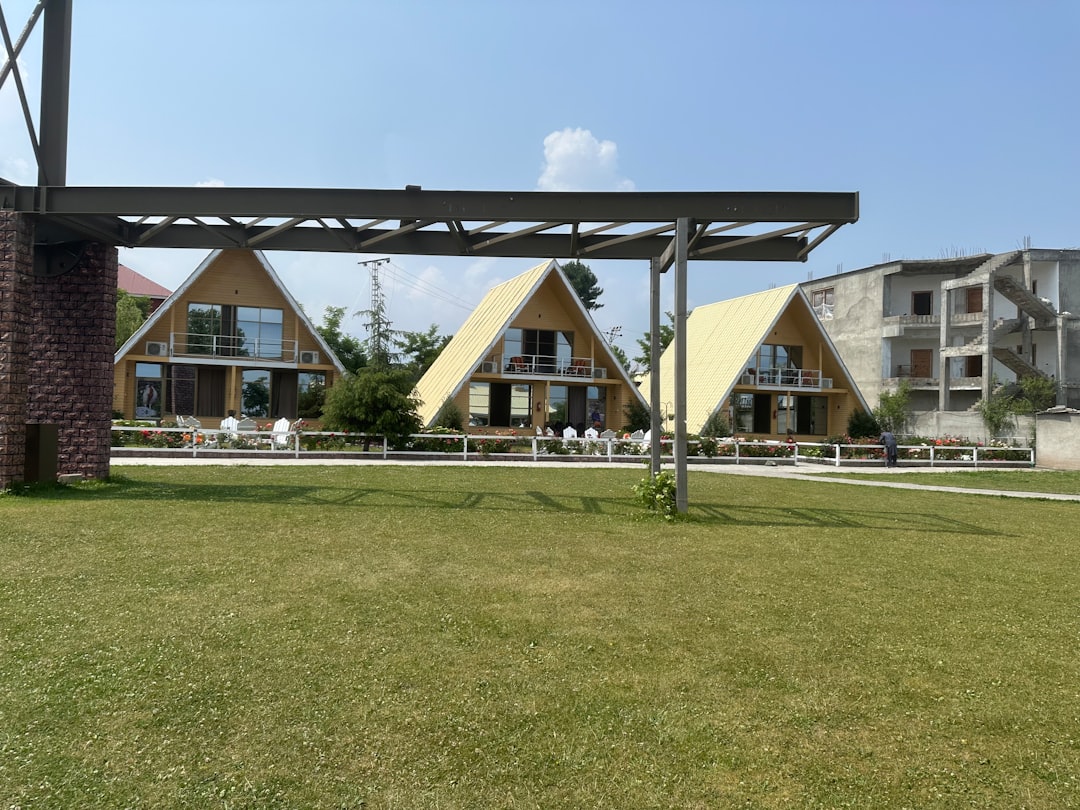








Designing mobile classrooms for growing schools

Mobile classrooms are a strategic response to growing pupil numbers, temporary refurbishments, and changing curriculum needs. Je will guide vous through practical design, regulatory hurdles and comfort strategies that make temporary teaching spaces feel permanent in purpose. This piece blends technical guidance with operational insight so vous can plan resilient, compliant and welcoming mobile classrooms within your education estate.
Design Principles for Mobile Classrooms
Space planning aligned with pedagogy
Thoughtful space planning starts with how students learn. Flexible layouts support group work, quiet study and one-to-one interventions. Specify clear circulation, storage and teaching zones so the footprint delivers maximum usable space. For younger learners, lower storage and tactile surfaces matter; for secondary cohorts, robust desk clusters and display zones help active learning.
Durable materials and intelligent layout
Choose finishes that balance durability with indoor air quality: moisture-resistant boards, low-VOC paints, and anti-scuff wall panels reduce maintenance and create healthier rooms. Plan for integrated AV, whiteboards and secure storage. Modular partitions and built-in furniture extend adaptability, allowing a single unit to host different subjects across the day.
Acoustic design and natural light
Good acoustics and daylight profoundly affect concentration. Use absorptive ceiling panels, sealed windows with acoustic glazing and staggered HVAC intakes to minimize noise. Position windows to capture daylight without glare and include external shading for summer comfort. These measures enhance learning outcomes and reduce reliance on artificial systems.
Regulatory Compliance and Safety
Navigating building regulations and approvals
Mobile classrooms must meet local building regulations, often treated as a permanent structure if used long-term. Je recommend early engagement with planning officers and building control to determine fire resistance, structural requirements and foundations. Documentation should include structural calculations, thermal performance and site layout to speed approvals.
Fire safety, means of escape and life safety systems
Fire strategy is non-negotiable. Ensure appropriate fire detection, alarm interconnection with the main building, clear escape routes and fire-resistant partitions where required. Emergency lighting, signage and staff training are integral. Vous should treat mobile units as fully operational teaching spaces in fire risk assessments.
Accessibility and safeguarding standards
Design for inclusive access: level thresholds, accessible toilets, and appropriately sized circulation zones. Safeguarding extends to sightlines and controlled access—secure doors with clear visitor protocols help protect pupils and staff. Compliance with equality and education-specific regulations must be documented and monitored.
Thermal Comfort, Ventilation and Energy Efficiency
Insulation, heating and cooling strategies
Thermal performance influences year-round comfort and running costs. High-performance insulation and thermal breaks are essential. Choose heating systems (gas, electric heat pumps, or connection to site CHP) based on site energy infrastructure. For warmer months, passive measures—ventilation, shading, thermal mass—reduce cooling loads.
Ventilation, indoor air quality and moisture control
Fresh air is central to health and concentration. Mechanical ventilation with heat recovery (MVHR) or demand-controlled systems maintain CO2 levels and limit pollutant buildup, while preventing condensation in tightly sealed units. Regular maintenance schedules for filters and ducts are part of operational planning and compliance.
Energy-saving opportunities
LED lighting, presence sensors and zoned heating cut energy use. When possible, integrate photovoltaic panels on adjacent buildings or temporary canopies to offset consumption. Energy monitoring helps vous identify savings and justify investments in higher-spec envelopes or controls.
Integration with Education Estates and Operations
Site logistics, foundations and utilities
Site selection affects foundation type and service connections. Piled or pad foundations, drainage, and route planning for deliveries and emergency access must be coordinated with estates teams. Utility provision—mains power, water, wastewater and data—should be designed with capacity and resilience in mind.
Operational flexibility, maintenance and lifecycle planning
Mobile classrooms often outlive initial intentions. Choose components with replaceable parts and establish maintenance contracts for HVAC, electrics and finishes. Plan for lifecycle costs, including expected relocation, refurbishment or eventual integration into permanent estate plans.
Community and stakeholder engagement
Proactive communication with staff, parents and local authorities reduces friction. Present visual mock-ups, access plans and schedules so stakeholders understand impacts. Vous will find that transparent dialogue accelerates acceptance and highlights practical needs you may not have anticipated.
- Quick checklist for successful mobile classroom delivery:
- Early liaison with building control and planning
- Clear pedagogy-led space brief and flexible furniture
- Fire strategy, accessible design and safeguarding measures
- High-performance envelope, MVHR and energy controls
- Site logistics plan with foundations and utilities
- Maintenance plan and stakeholder engagement
Key Takeaways for Mobile Classroom Planning
Je trust this overview helps vous approach mobile classrooms with confidence. Prioritise compliance, comfort, and adaptability from the outset. Engage regulators early, specify quality materials and systems, and align layouts with teaching needs. With thoughtful design and proactive estate management, mobile classrooms can deliver safe, comfortable and cost-effective learning spaces that support your school’s growth and changing educational demands.
For practical comparisons of modular types, transport and on-site assembly considerations that often shape planning and lifecycle costs, see modularandportablebuildings.co.uk.