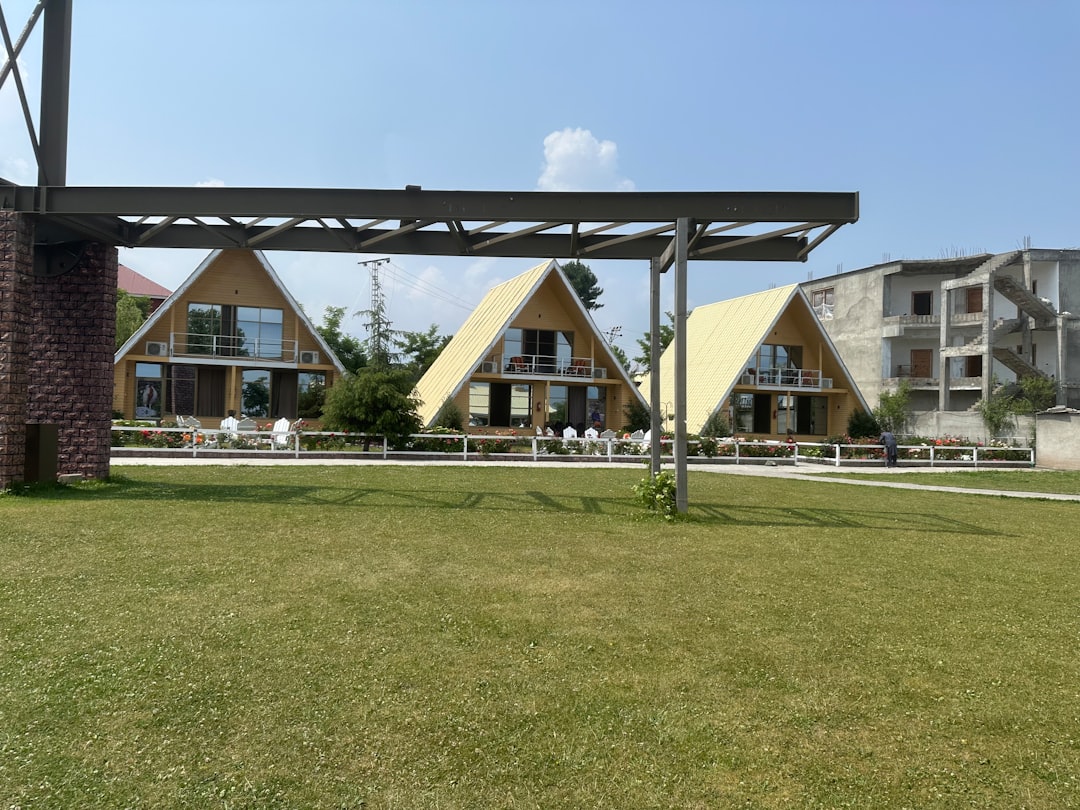








Choosing between new and pre owned modular buildings in the UK

Choosing the right modular building can feel like a puzzle: you want quality, speed and value, but you also must manage budget constraints and practical needs. I’ll walk you through the trade-offs between new and pre-owned modular buildings in the UK, with a focus on cost savings, inspection, and refurbishment so you can decide with confidence.
New vs Pre-owned Modular Buildings: cost and value comparison
Upfront costs and long-term value
New modular buildings carry a higher upfront price because you pay for fresh materials, modern finishes and warranty coverage. However, they often deliver lower maintenance in the first years and can be designed to your exact specifications, which adds long-term value. Pre-owned units typically cost 30–60% less on initial purchase. That saving can be significant—but you must weigh it against potential repair and upgrade costs over the next 5–10 years.
Hidden expenses to anticipate
Buying used often reveals hidden costs: transport, cranage, site works, upgrading heating/electrics to current standards, and decorating. For new builds, lead times and customisation charges can inflate budgets. I recommend building a contingency of 10–20% into any quote, especially for pre-owned units where unforeseen refurbishment may arise.
Evaluating used modular buildings: inspection and quality
Structural and mechanical checkpoints
When inspecting a pre-owned unit, prioritise the structure (steel frame, floor joists), the roof membrane, and windows/doors. Check for damp, corrosion and uneven floors. Mechanical systems—heating, ventilation and hot water—should be tested. Ask for service histories and probe for signs of poor maintenance. A thorough inspection can save you from costly surprises.
Regulatory compliance and warranties
You must ensure the unit meets UK building regulations and, if necessary, planning conditions for its intended use. New buildings generally come with manufacturer warranties; pre-owned often don’t. If a warranty is available, understand its scope. I advise involving a qualified surveyor to confirm compliance and to flag any remedial works required to achieve certification.
Refurbishment of pre-owned units: practical steps and savings
Typical refurbishment works and timelines
Refurbishment can range from a light refresh (decor, flooring, HVAC servicing) in a few days to a full retrofit (insulation upgrade, rewiring, external cladding) which may take several weeks. Common tasks:
- Replace worn finishes (paint, carpets)
- Upgrade electrical consumer units and sockets
- Improve insulation and install energy-efficient glazing
- Renew or refurbish sanitary ware and kitchens These works, when planned, can extend a unit’s life and improve comfort dramatically.
Cost-saving strategies and examples
You can save by prioritising high-impact upgrades: insulation and heating efficiency reduce running costs; LED lighting and modern thermostats improve user comfort for modest spend. Example: spending £3,000–£6,000 on insulation and new heating in a 20m² classroom could cut energy bills by 20–30% annually and raise resale value. Sourcing materials in bulk or using local contractors often reduces labour and delivery costs.
When purchasing new makes sense
Use cases favouring new builds
Buy new if you need full customisation, long-term reliability, or strict warranty protection. Sectors such as healthcare, high-end education spaces, or bespoke commercial fit-outs often justify new units. If you require a specific design aesthetic or advanced technical installations, new construction avoids compromise.
Financing, lead times and customisation
New units may be financed through equipment loans or hire-purchase, and manufacturers often offer staged payments. Lead times vary from a few weeks for standard units to several months for fully bespoke units. Factor lead time against your project schedule: if speed is crucial, a pre-owned, ready-to-deploy unit may be preferable.
When pre-owned units make sense
Ideal scenarios for buying used
Pre-owned modular buildings are excellent when you need rapid delivery, have a tight capital budget, or require temporary accommodation. Schools expanding quickly, event sites, and emergency facilities often benefit from fast deployment of quality used units.
Negotiation tips and trusted sources
Negotiate on transport and refurbishment responsibilities. Ask sellers for detailed condition reports and service records. Trusted sources include specialist modular brokers, reputable installers who refurbish units, and salvage yards with documented histories. I suggest requesting photos, inspection access, and references from previous buyers before committing.
- Quick checklist before committing:
- Confirm structural integrity and absence of damp
- Verify electrical and heating systems or budget for upgrades
- Estimate total delivered and refurbished cost (not just purchase price)
- Check planning and building regulation implications for your site
- Compare warranty, service history and supplier reputation
Final guidance: deciding between new and pre-owned modular buildings
I encourage you to assess total cost of ownership rather than just purchase price. If you prioritise customisation, warranty and minimal maintenance, opt for new. If speed, lower capital outlay and flexibility matter more, a well-inspected pre-owned unit can be the smarter choice—especially when you budget wisely for refurbishments. I recommend obtaining at least two quotes for new and used options, a surveyor’s assessment for pre-owned units, and a clear refurbishment plan with costings. With that approach, you’ll choose a solution that fits both your budget and your project goals.
For a practical comparison of stock lists, typical specifications and refurbishment services to help illustrate the points above, see modularandportablebuildings.co.uk.