








Sustainable modular construction and the circular economy
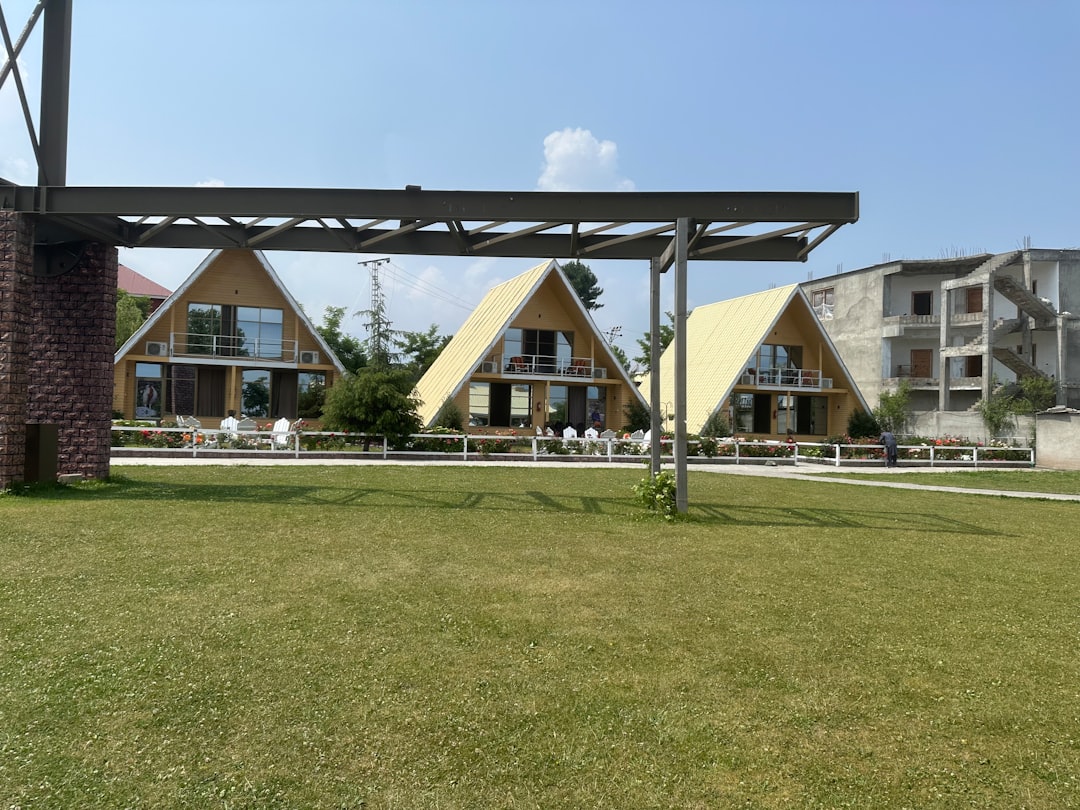
Sustainable modular construction is reshaping how we design, build, and reuse buildings. Je will guide vous through how offsite fabrication, reused units, and a circular economy mindset dramatically cut both operational and embodied carbon. The approaches I describe blend practical examples, measurement strategies, and market levers so vous can see how scalable, low-carbon buildings become reality.
Why offsite modular construction slashes carbon
Precision manufacturing and process efficiencies
Offsite modular factories enable repeatable precision, lowering material waste and energy use. In a controlled factory, components are cut to tight tolerances and assemblies follow optimized workflows. This reduces scrap, decreases on-site vehicle movements, and shortens project timelines. As a result, embodied carbon associated with transport, rework, and extended site emissions is significantly reduced.
Shorter on-site programmes, lower emissions
Modular units arrive largely complete, which compresses construction schedules. Fewer crane hours, less temporary heating, and reduced diesel generator use translate into direct site-emission reductions. For urban projects, faster delivery also minimizes disruption and associated indirect emissions from traffic and idling machinery.
Reused units and circular economy in buildings
Designing for disassembly and reuse
To unlock reuse, designs must prioritize disassembly, not demolition. Mechanical connections, removable facades, and standardized interfaces allow modules to be relocated or reconfigured. I highlight how simple design choices—bolted joints instead of sealed adhesives, accessible services routes—preserve material value and cut future embodied carbon.
Practical examples of reuse at scale
Several real-world projects show the model works: hotel pods repurposed as student housing, modular classrooms shifted between sites, and office modules reconfigured into co-living units. These examples underline that reuse extends the service life of materials, postpones new production emissions, and supports circular business models like leasing and buy-back programmes.
Embodied carbon: measurement and reduction tactics
Material selection and low-carbon alternatives
Embodied carbon depends heavily on materials. Timber, recycled steel, and low-carbon concrete mixes can halve upfront emissions versus traditional choices. I explain trade-offs: timber sequesters carbon but must be sourced responsibly; recycled steel lowers production emissions yet requires careful detailing to avoid durability issues.
Tools and targets for accurate accounting
Robust decision-making requires measurement. Life Cycle Assessment (LCA) tools—EPDs (Environmental Product Declarations), RICS Whole Life Carbon, and One Click LCA—provide frameworks to quantify embodied carbon. Setting targets (e.g., 30–50% reduction vs. baseline) drives procurement and design choices, while whole-life thinking aligns operational and embodied outcomes.
Policy, finance, and market mechanisms driving adoption
Incentives, regulations, and standards
Government procurement rules, building codes that reward low-carbon materials, and public-sector pilot programmes accelerate uptake. I note that cities adopting circular procurement and low-carbon mandates create demand for modular and reusable solutions, making supply chains more resilient and cost-effective.
Innovative financing and business models
Finance follows certainty. Models such as performance contracting, circular leases for modules, and asset-backed recovery schemes lower risk for developers. By monetizing residual value of modules, financiers can treat units as reusable assets, improving return profiles and enabling broader adoption.
- Faster construction reduces on-site emissions and social disruption.
- Reuse extends material life and avoids new production emissions.
- Material choice and LCA tools are pivotal to cut embodied carbon.
- Policy and innovative finance unlock market scale for modular reuse.
- Standardized interfaces and design-for-disassembly are practical levers.
Next steps for deploying low-carbon modular buildings
Je encourage vous to start with measured pilots. Test offsite fabrication for a single building type, apply LCA early in design, and specify disassembly-friendly details. Collaborate with manufacturers to standardize connections and create take-back agreements that preserve value. Monitor performance and share data—transparent outcomes build trust and attract investors.
If vous want a short checklist or a tailored plan for a specific project, tell me the project type and location; je will sketch actionable steps and key metrics to track.
For UK-focused examples of unit types, delivery models and lifecycle refurbishment that echo the reuse and disassembly approaches discussed here, see modularandportablebuildings.co.uk. It offers practical specifications and case examples that can help align design choices with circular, low‑carbon outcomes.